
The Best Cheese Quesadilla Recipe (Crispy, Melty & Ready in 15 Minutes)
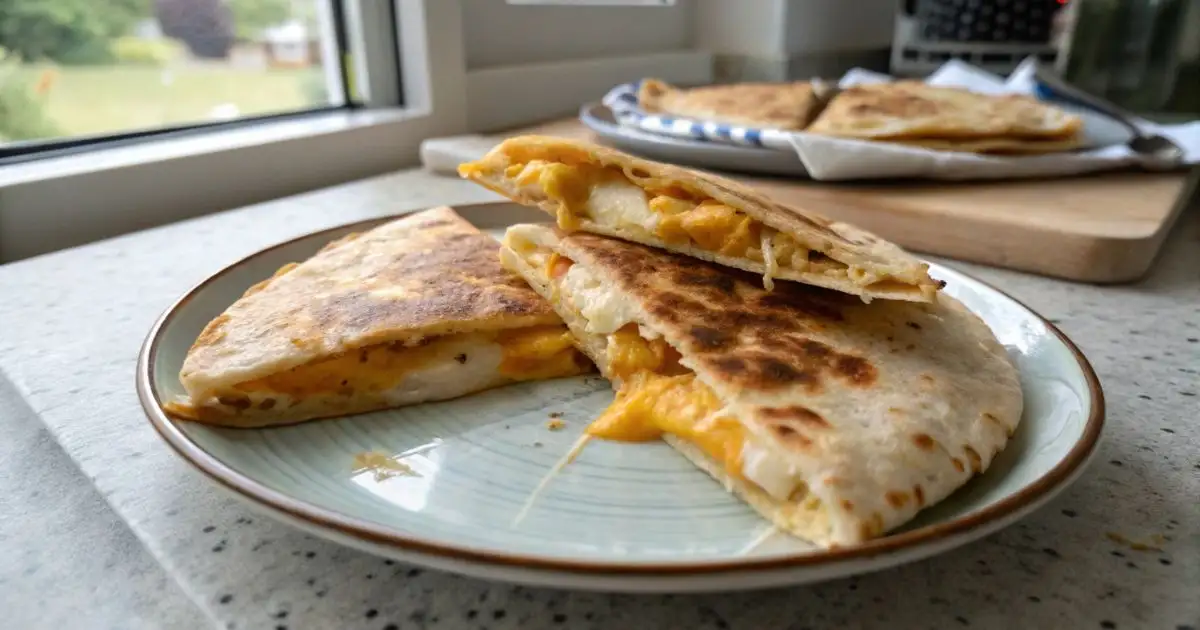
A great cheese quesadilla sounds almost too simple to mess up, and yet, most people end up with something pale, floppy, or filled with cheese that never quite melted. The truth is, a truly great quesadilla comes down to a few small decisions: the right tortilla, the right cheese, and the right heat. Get those three things right, and you’ll have something golden, crispy on the outside, and gloriously gooey on the inside every single time.
This cheese quesadilla recipe is the only one you’ll ever need. Whether you’re feeding a hungry kid after school or throwing together a quick lunch, this guide covers everything, from choosing the best melting cheese to nailing that perfectly crispy crust without burning your tortilla.
Table of Contents
What Makes a Great Cheese Quesadilla Recipe?
Before jumping into the recipe, it helps to understand what separates a mediocre quesadilla from a genuinely great one. Spoiler: it’s not about adding more cheese (though that doesn’t hurt).
The Tortilla Factor
The tortilla is your foundation, and it matters more than most recipes admit. Flour tortillas are the standard choice for quesadillas, they crisp up beautifully in a skillet, have a slightly chewy texture, and hold their shape when you fold and flip. Corn tortillas are traditional in Mexican cooking, but they’re more brittle and prone to cracking when folded, making them better suited for tacos.
Size matters too. An 8–10-inch flour tortilla is ideal for a single-serve quesadilla. It fits a standard skillet, folds easily, and gives you a good cheese-to-tortilla ratio. Avoid those giant 12-inch burrito tortillas unless you’re using a large pan, they overhang the edges and cook unevenly.
One pro tip: if your tortillas have been sitting in the fridge, let them come to room temperature for a few minutes before cooking. Cold tortillas stiffen up and don’t flex as easily when folding.
The Cheese Factor
Here’s where most recipes fall short, they just say “shredded cheese” and move on. But not all cheese melts the same way. Some get stringy and stretchy (good). Others separate into an oily, grainy mess (bad). Choosing a high-moisture, medium-fat cheese is the key to that perfect melt.
More on this in the next section.
Best Cheese for Quesadillas
The cheese you choose will define the entire experience. You want something that melts smoothly, has enough flavor to carry the dish, and doesn’t turn greasy under heat.
Top Single-Cheese Picks
Monterey Jack is arguably the gold standard for quesadillas. It has a mild, buttery flavor and melts into a smooth, creamy pool without any greasiness. It’s widely available and practically foolproof.
Oaxacan cheese (queso Oaxaca) is the authentic Mexican choice. It’s a white, semi-soft cheese that melts into long, stretchy strings, very similar to mozzarella, and has a slightly tangy, milky flavor. If you can find it at a Mexican grocery store, it’s worth trying.
Cheddar brings bold flavor and melts reasonably well, though sharp cheddar can occasionally turn slightly grainy at high heat. Medium cheddar is the safer bet if you’re going with cheddar alone.
Colby Jack is a blend of Colby and Monterey Jack, and it hits a sweet spot of flavor and meltability. It’s a great everyday option.
Mozzarella melts beautifully and gives you that satisfying cheese pull, but it’s quite mild on its own. Best used in combination with a more flavorful cheese.
Best Cheese Combinations
Mixing cheeses gives you the best of both worlds, great melt AND great flavor. These combos work especially well:
- Monterey Jack + Sharp Cheddar the classic. Creamy melt from the Jack, bold flavor from the cheddar.
- Oaxacan + Chihuahua cheese the traditional Mexican blend. Incredibly stretchy and flavorful.
- Mozzarella + Pepper Jack mild stretch from the mozzarella, heat, and flavor from the pepper Jack.
- Colby Jack + a pinch of smoked Gouda, a subtle smokiness that elevates the whole thing.
Avoid overly aged or hard cheeses like Parmesan or aged Gruyère on their own; they don’t melt well and can turn grainy or oily.
Ingredients You’ll Need
(Makes 2 quesadillas / 2 servings)
- 4 medium flour tortillas (8–10 inches)
- 2 cups shredded cheese (Monterey Jack, Cheddar, or your preferred blend)
- 1–2 tablespoons unsalted butter or neutral oil (avocado or vegetable oil works great)
- Salt, to taste (optional)
For serving (optional but recommended):
- Sour cream
- Fresh salsa or pico de gallo
- Guacamole
- Sliced jalapeños
- Fresh cilantro
That’s it. No fancy ingredients required.
How to Make Cheese Quesadillas (Step-by-Step)
Prep Your Ingredients
Start by shredding your cheese fresh if possible. Pre-shredded cheese from a bag is coated in anti-caking agents (usually cellulose or potato starch) that slightly inhibit melting. Freshly shredded cheese melts faster and more smoothly; it makes a noticeable difference. That said, pre-shredded absolutely works in a pinch.
Set out your tortillas and let them come to room temperature if they’ve been refrigerated. Have your butter or oil ready.
Assemble the Quesadilla
Lay one tortilla flat on a clean surface. Spread about ½ cup of shredded cheese evenly over one half of the tortilla, leaving a small border around the edge. Fold the empty half over the cheese side to create a half-moon shape.
Why fold instead of stacking? Folding a single tortilla is faster, easier to flip, and gives you a crispier result because both sides of the tortilla make direct contact with the pan. The stacked two-tortilla method works too; it just takes a bit more care when flipping.
Cook to Golden Perfection
Heat a large skillet or cast-iron pan over medium heat, not high, not low. Medium heat is the secret. Too high and the tortilla scorches before the cheese melts. Too low and you get a pale, sad result with uneven melting.
Add about half a teaspoon of butter and let it melt, swirling to coat the pan. Place the folded quesadilla in the skillet and press it down lightly with a spatula.
Cook for 2–3 minutes until the bottom is deep golden brown and slightly crispy. You’ll see the cheese starting to melt through the top. Carefully flip using a wide spatula and cook for another 1–2 minutes on the second side.
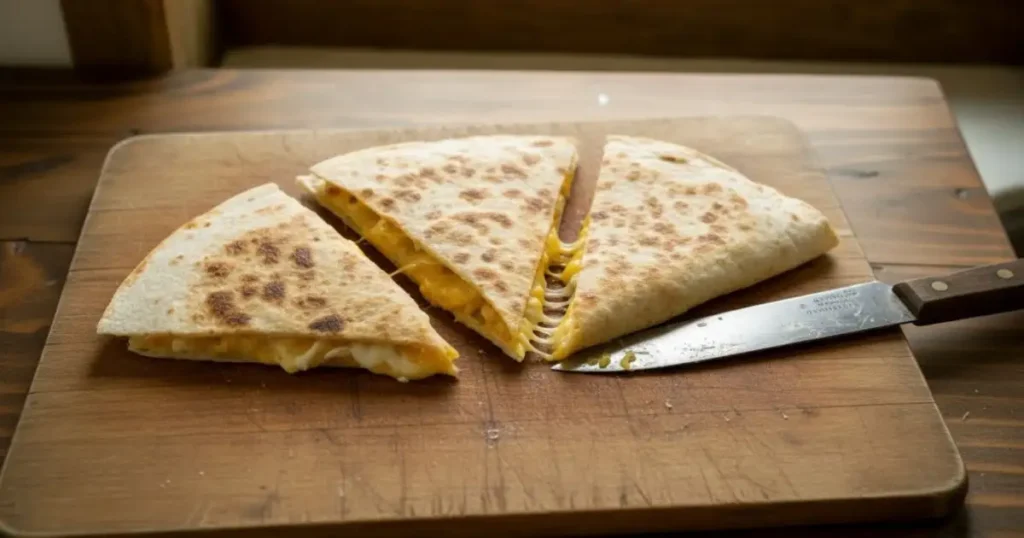
Remove from the skillet and let it rest for 30 seconds before cutting. This gives the cheese a moment to set, so it doesn’t all slide out when you slice it. Cut into triangles with a pizza cutter or sharp knife, and serve immediately.
Tips for a Perfectly Crispy Quesadilla
Getting that golden, crispy exterior is the part most people get wrong. Here’s what actually works:
Use butter, not just oil. Butter browns more evenly and adds a subtle richness to the tortilla. A mix of butter and a neutral oil (to raise the smoke point) is ideal if your pan runs hot.
Don’t overcrowd the cheese. More cheese sounds better, but piling it on too thick means the outside burns before the inside melts. Stick to a ½–¾ cup per quesadilla and spread it in an even, thin layer.
Press down gently. A light press with the back of a spatula ensures even contact between the tortilla and the pan, which means even browning.
Resist the urge to crank the heat. Medium heat feels slow, but it gives the cheese time to melt fully while the tortilla crisps, not burns. Patience pays off here.
Dry your pan between batches. If you’re making multiple quesadillas, wipe out any browned bits between each one so they don’t burn and stick to the next batch.
Serving and Storage Tips
What to Serve With Quesadillas
Cheese quesadillas are incredibly versatile. A simple combination of sour cream, fresh salsa, and guacamole covers all your bases, creamy, acidic, and rich. If you want something more substantial, pair them with a simple black bean soup, a side salad with lime dressing, or Mexican rice.
For dipping sauces beyond the classics, try a chipotle crema (sour cream + a little chipotle in adobo, blended), a tomatillo verde salsa, or just hot sauce if you like heat.
How to Store and Reheat
Quesadillas are best eaten fresh; the crispy texture doesn’t survive long once stored. That said, leftovers are still worth saving.
Store cooled quesadillas in an airtight container in the refrigerator for up to 2 days. To reheat, skip the microwave (it turns them rubbery and soggy). Instead, reheat in a dry skillet over medium heat for 1–2 minutes per side, or in an air fryer at 375°F for 3–4 minutes. Both methods bring back most of the crispiness.
Helpful Notes & Variations
Add-In Ideas
The beauty of quesadillas is how easily you can build on the cheese base. Some popular additions that work well:
- Cooked chicken: (shredded rotisserie chicken is perfect), just make sure it’s in small, even pieces
- Sautéed onions and bell peppers: cook them down first so they don’t release too much moisture
- Black beans: Rinse and dry them before adding to avoid sogginess
- Corn: adds a subtle sweetness and works great with pepper Jack
- Sliced jalapeños: fresh or pickled, both work well
The key with any wet add-ins: cook off as much moisture as possible before they go in. Watery fillings steam the inside of the quesadilla instead of letting it crisp.
Make It Vegetarian or Vegan
This recipe is already vegetarian. For a fully vegan version, substitute a plant-based butter (like Miyoko’s or Earth Balance) and use a vegan shredded cheese. Brands like Violife and Daiya have improved significantly and melt reasonably well; just note that the texture and flavor will differ from dairy cheese. Adding some nutritional yeast to the mix can boost that savory, cheesy flavor.
FAQ
What is the best cheese for quesadillas?
Monterey Jack is the top pick for its smooth melt and mild flavor. For more depth, blend it with sharp cheddar. Oaxacan cheese is the traditional Mexican choice and gives you an incredible stringy pull.
Why is my quesadilla soggy?
Sogginess usually comes from one of three things: too much cheese (which releases steam), wet fillings that weren’t cooked down first, or too-low heat that causes the tortilla to absorb butter rather than crisp up. Use medium heat and a light hand with moisture-heavy ingredients.
Can I make quesadillas without butter?
Yes. A neutral oil like avocado or vegetable oil works fine. Butter adds flavor and helps with even browning, but oil-cooked quesadillas are still delicious and slightly lighter.
Should I use corn or flour tortillas for quesadillas?
Flour tortillas are the standard for quesadillas — they fold without cracking and crisp up well in a skillet. Corn tortillas are more fragile and can crack when folded, though you can use two separate corn tortillas stacked flat with cheese in between if you prefer the flavor.
How do I keep quesadillas warm for a crowd?
Place cooked quesadillas on a wire rack on a baking sheet in an oven set to 200°F (93°C). This keeps them warm without making them soggy while you finish cooking the rest.
Can I freeze quesadillas?
Yes. Cook them fully, let them cool completely, then freeze in a single layer before transferring to a freezer bag. Reheat from frozen in an air fryer at 375°F for 5–6 minutes, or in a skillet over medium-low heat with a lid for the first few minutes to thaw, then uncovered to crisp.
Conclusion
The best cheese quesadilla isn’t complicated; it just requires a bit of intention. Choose a cheese that melts well (or mix two), use flour tortillas, cook over medium heat with a little butter, and resist overcrowding. Follow those principles, and you’ll get a perfectly crispy, deeply golden quesadilla with a gooey, molten center every single time.
This recipe works as a fast weeknight dinner, a crowd-pleasing appetizer, or an honest late-night snack. Once you’ve nailed the basic cheese version, the variations are endless.
Last Updated on April 19, 2026 by Janelle
